
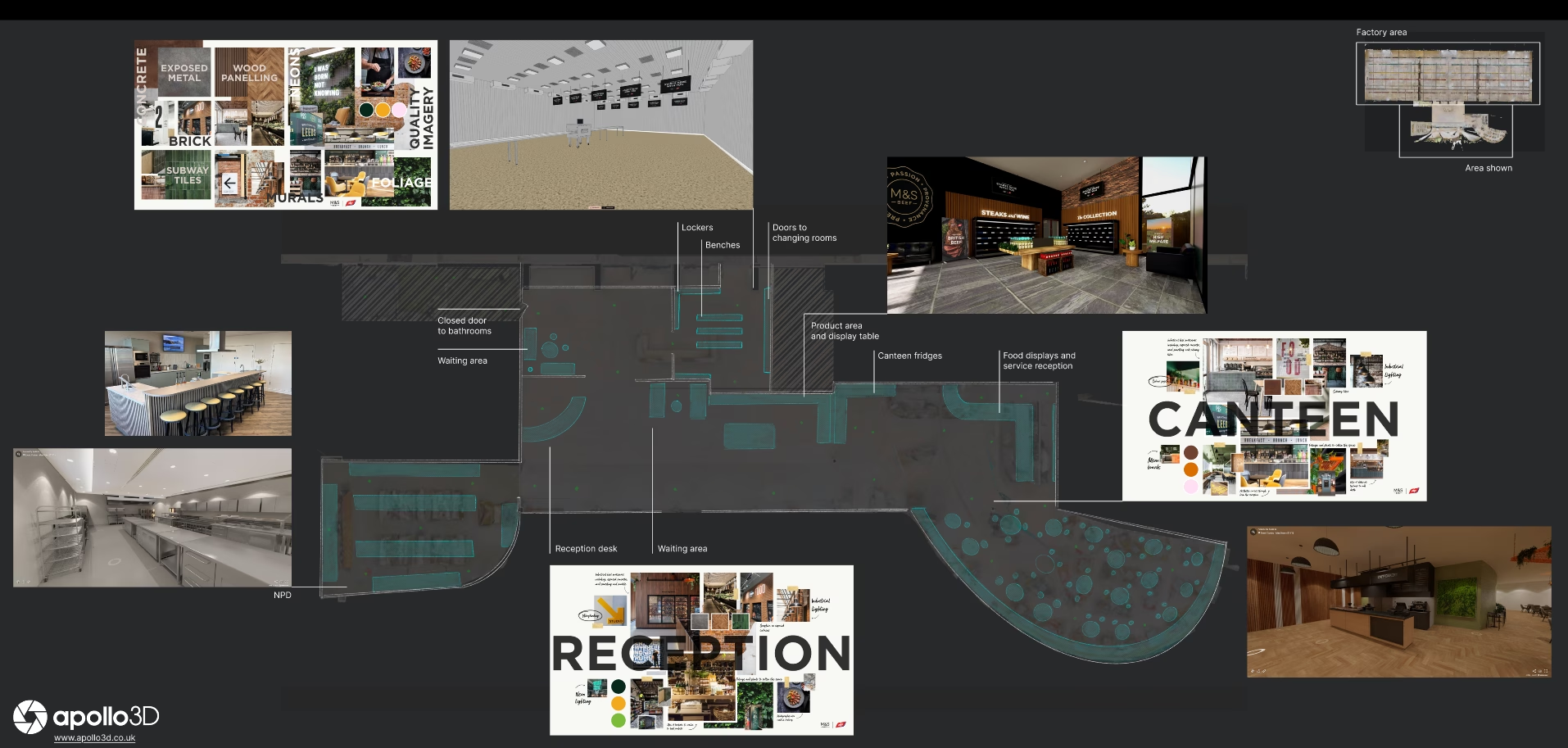
Every CGI virtual tour begins with a conversation.
Clients may have a fully developed concept or just an early idea. Our role is to translate that vision into a structured digital experience.
Information we typically use includes:
Site photography
Floorplans or sketches
Existing 3D tours or scans
Mood boards and visual references
Storyboards
CAD drawings
3D objects or BIM data
This stage is about clarity. Understanding objectives, audience and intended use ensures the final tour delivers measurable value.
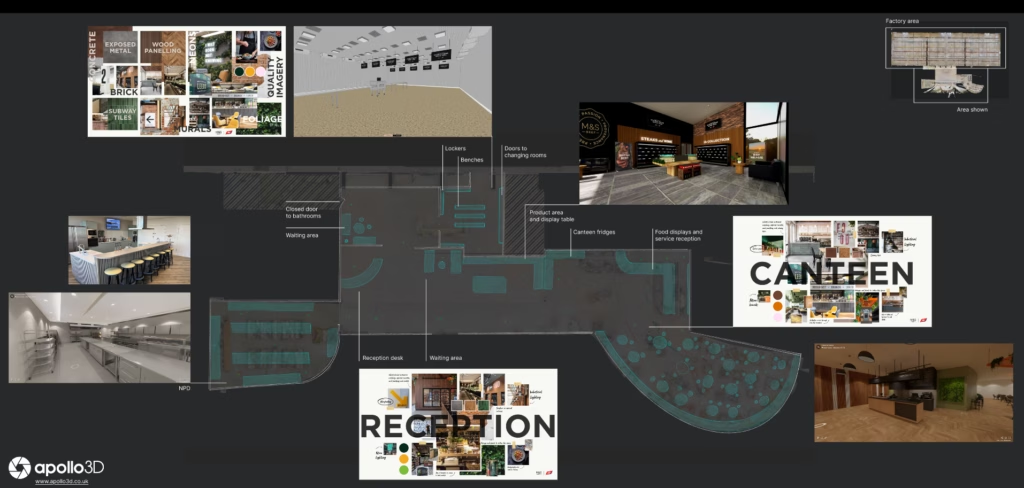
Once the brief is understood, Apollo3D creates a proposed layout showing how the space will be experienced.
This includes:
Navigation flow
Camera positions
Key viewing angles
Feature placements
User journey planning
Clients are able to review an early interactive concept to confirm the spatial logic before visual production begins.
This step reduces risk and prevents costly changes later in the process.
Next, we begin producing draft 360 CGI visuals based on the agreed objectives.
This is an iterative design phase where:
Materials, lighting and finishes are refined
Branding and signage are introduced
Furniture and equipment layouts are tested
Operational workflows can be visualised
A structured design document is used throughout the project. This ensures alignment, controls scope and keeps decision-making efficient.
Click here to see the example design document
Draft visuals allow stakeholders to understand how the finished environment will feel before full production begins.
Once visuals are approved, Apollo3D creates the complete CGI virtual tour.
By this stage, most major decisions have already been made. This allows production to focus on polish and performance rather than redesign.
Clients can still request minor refinements such as:
Adjustments to individual 360 positions
Final branding tweaks
Navigation improvements
Content placement updates
Click here to see the example completed CGI tour
The result is a fully immersive environment that can be used across marketing, training, planning and stakeholder communication.
The final stage is transforming the tour from a visual experience into a functional digital tool.
Apollo3D’s Infinity system introduces advanced features such as:
Guided navigation menus
Interactive hotspots
Embedded video content
Signage and operational overlays
Analytics and engagement tracking
Multi-location or multi-scenario viewing
This turns a CGI tour into a powerful digital twin environment that supports real business outcomes.
CGI tours allow organisations to:
Showcase spaces before they exist
Improve decision-making and stakeholder confidence
Reduce site visits and project risk
Support marketing and investment conversations
Plan layouts, workflows and customer journeys
They are increasingly used across retail, hospitality, commercial property and large-scale rollout programmes.
If you have a concept, redevelopment plan or marketing vision that needs to be visualised, a CGI virtual tour could be the right solution.
Apollo3D works with organisations across the UK and Europe to turn ideas into immersive, interactive digital environments.